Group 6 element
Group 6 transition metals with high melting points and strategic uses.

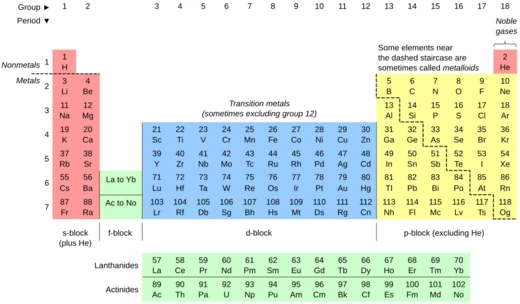
Group 6, numbered by IUPAC style, is a group of elements in the periodic table comprising chromium (Cr), molybdenum (Mo), tungsten (W), and seaborgium (Sg). These are all transition metals, with chromium, molybdenum, and tungsten being refractory metals. The group's members have high melting points and form volatile compounds in higher oxidation states, with tungsten having the highest melting point of all metals.
- members
- chromium, molybdenum, tungsten, seaborgium
- group_number
- 6 (IUPAC); old US system VIB; old European system VIA
- common_properties
- transition metals, refractory metals (Cr, Mo, W), high melting points
- notable_use
- chromium in electroplating and paints; molybdenum in steel alloys; tungsten in arms industry
Reader's Guide
Group 6 elements have played significant roles in industrial and military history. Molybdenum saw limited use for a century after isolation due to scarcity and processing difficulties, but its steel alloys proved valuable in World War I for armor plating and as a tungsten substitute, and again in World War II. Tungsten's high-temperature resistance made it vital for the arms industry, and Portugal's wolframite deposits became a strategic pressure point during World War II. The group's chemistry shows that chromium, molybdenum, and tungsten form compounds in oxidation states from −2 to +6, with the stability of the +6 state increasing down the group. Their high melting points and ability to form volatile compounds in higher oxidation states distinguish them from other groups.
Frequently Asked Questions
Who are the members of Group 6 on the periodic table?
Group 6 (IUPAC numbering) consists of four transition metals: chromium, molybdenum, tungsten, and seaborgium. Three of the four—chromium, molybdenum, and tungsten—are specifically classified as refractory metals.
Why is Group 6 so important in real-world industry?
Chromium is a workhorse in electroplating and paint pigments, molybdenum is alloyed into high-strength steels, and tungsten is a key material in the arms and defense sector. Their refractory character makes them hard to substitute in high-temperature applications.
What was Group 6 called under the old naming conventions?
Before IUPAC standardized the numbering, American chemists referred to the group as VIB while European chemists used VIA. Today both simply call it Group 6.
More in Periodic Table & Elements 1-21
Spotted an error? Know more?
This is a living reference — every entry is fact-audited, and reader corrections feed straight into our audit queue. Suggest an edit · See this site's audit record